
Launched on 30 October 2026 with a €5 million seed round, Noak will industrialise next-generation perovskite solar modules, partly built on results from the Horizon Europe project LAPERITIVO.
A technology with a clear path to industry
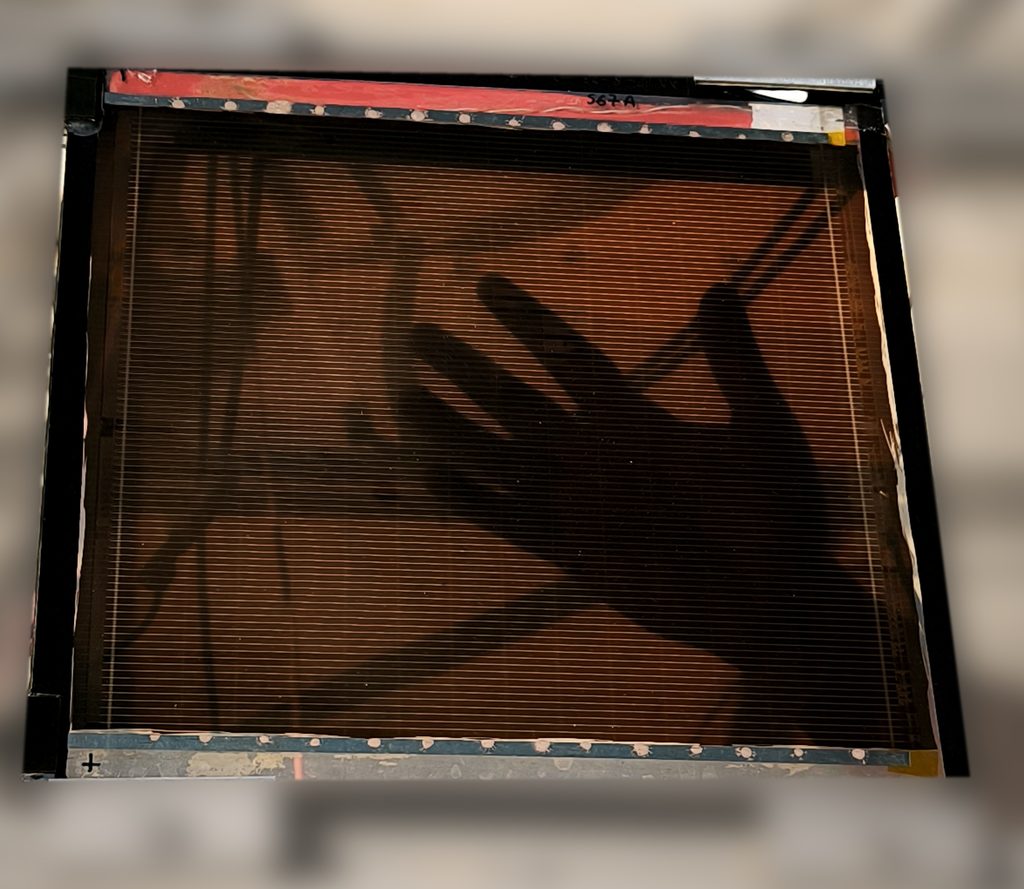
Perovskite-silicon tandem cells can reach 30 to 35% efficiency, compared with about 27 to 28% for conventional silicon cells. Noak combines this with a proprietary back-contact foil that removes front-side metal lines, reducing shading losses and silver use. Its designs also allow disassembly at end of life. Imec and Hasselt University report multiple years of outdoor testing of perovskite modules at more than 10 sites on three continents.
The seed funding will speed up development and prepare gigawatt-scale manufacturing partnerships. The next phase focuses on long-term stability and performance at scale.
“With Noak, we now have the opportunity to translate our perovskite expertise into industrial manufacturing.”
Jef Poortmans, program director PV at imec and R&D Coordinator of EnergyVille
The LAPERITIVO contribution
LAPERITIVO develops large-area, bifacial, semi-transparent perovskite modules made by slot-die coating, with a strong focus on efficiency, stability, low cost and low environmental impact. Results from this work at imec, in particular on semi-transparent perovskite modules, now feed directly into Noak’s product portfolio.
This transfer shows how EU-funded collaborative research can turn into European manufacturing capacity. It also supports the project’s goal of strengthening a European perovskite PV value chain, from materials to modules.
“Seeing technology developed within LAPERITIVO become part of a new company’s products is exactly what a Horizon Europe project aims for. Noak is a strong signal that European perovskite research is ready to move from the lab to the factory.“
Dr Yinghuan Kuang, LAPERITIVO coordinator, imec
Find out more about Noak Launch: https://noak.io/
⚫ Press release from imec
⚫ Press release from UHasselt
⚫ Press Release from EnergyVille